
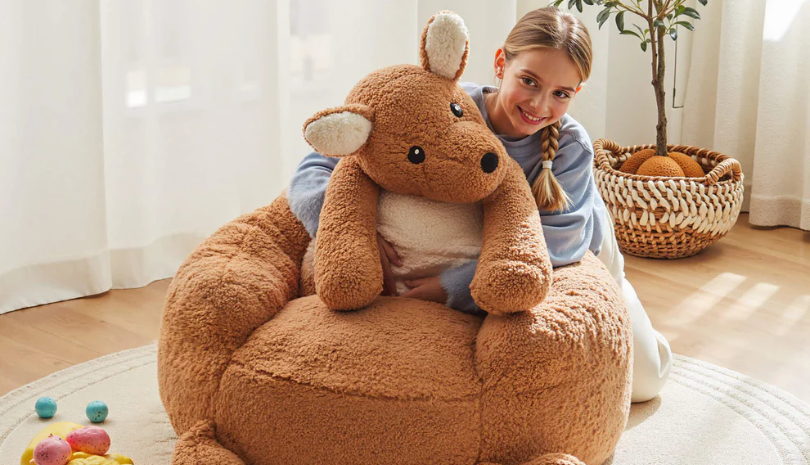
If you've ever tripped over a mountain of stuffed animals in your child's room, you're not alone. Many parents face the same challenge: how do you store dozens (or even hundreds) of plush toys without sacrificing floor space or style? That's where stuffed animal bean bag chairs come in—a clever solution that turns clutter into comfortable seating.
This guide walks you through everything you need to know about choosing the right stuffed animal bean bag chair for your family. We'll cover sizing options, safety features to prioritize, storage capacity, and practical tips to help you make an informed decision. Whether you're shopping for a toddler's first chair or looking to organize a serious stuffed animal collection, you'll find helpful information here.
What Is a Stuffed Animal Bean Bag Chair?
A stuffed animal bean bag chair is essentially a large fabric cover with a zipper or drawstring closure that holds your child's stuffed animals inside. Instead of traditional bean bag filling, the plush toys themselves create the cushioning and shape. As you add more stuffed animals, the bag fills out and becomes a soft, squishy seat.
The concept is beautifully simple: you get functional seating while keeping toys organized and out of sight. Many parents appreciate how this approach reduces bedroom clutter, teaches children organizational skills, and makes use of toys that might otherwise sit forgotten in a closet.
Common benefits include:
- Creating extra seating without buying additional furniture
- Reducing visual clutter in bedrooms and playrooms
- Making cleanup easier and more fun for kids
- Providing a cozy spot for reading, gaming, or relaxing
- Maximizing space in smaller rooms
Most stuffed animal bean bag chairs are made from durable fabrics like canvas, polyester, or cotton blends. They typically feature reinforced stitching and child-safe zippers designed to withstand regular use. The covers come in various colors, patterns, and sizes to match different room styles and storage needs.

Size Guide: Choosing the Right Capacity
Picking the right size can make the difference between a chair that works perfectly and one that's too small or takes up too much space. Here's how to find your ideal fit.
Standard Size Categories
Stuffed animal bean bag chairs generally fall into four capacity ranges:
Small (30-50 stuffed animals): These compact options work well for toddlers or children with smaller collections. They're easier to move around and fit nicely in tighter spaces like apartment bedrooms or shared rooms. When filled, they typically measure around 24-30 inches in diameter.
Medium (50-80 stuffed animals): This is often the most popular size for elementary-age children. Medium chairs provide comfortable seating for kids while handling a substantial toy collection. Expect dimensions around 30-38 inches when filled.
Large (80-100+ stuffed animals): If your child has been collecting plush toys for years, a large chair might be your best bet. These can accommodate extensive collections and create a more substantial seating option. They usually measure 38-42 inches across.
Extra-large (100-200+ stuffed animals): These are ideal for playrooms, multiple children sharing a space, or serious collectors. When fully stuffed, they can reach 42-48 inches or more and provide seating that even adults can enjoy.

Measuring Your Needs
Before you buy, take a few minutes to assess your situation:
Start by gathering all the stuffed animals currently scattered around your home. You might be surprised by how many you actually have! Count them or estimate the total, then add about 20-30% to account for future birthdays, holidays, and impulse purchases.
Next, measure the space where you plan to place the chair. Remember that bean bag chairs need floor space—they can't be pushed against a wall like traditional furniture. Make sure you have enough room for your child to sit comfortably and get in and out easily.
Consider doorways and hallways too. If you'll need to move the chair between rooms or take it upstairs, check that it will fit through these spaces when filled.
Age-Appropriate Sizing
Different ages have different needs:
Toddlers (2-4 years): Smaller, lower-profile chairs work best for this age group. They're easier for little ones to climb onto safely, and the lower height reduces the risk of tumbles. A small to medium size typically provides enough capacity without overwhelming the space.
Young children (5-8 years): Medium-sized chairs hit the sweet spot for this age range. Kids can use them independently, and the capacity matches typical collection sizes. These chairs often become favorite reading spots or gaming seats.
Older kids (9-12 years): Larger options make sense here, both for increased storage and more comfortable seating as children grow. Many kids this age appreciate having a dedicated lounging spot in their room.
Teens: Extra-large chairs can serve as statement pieces and comfortable hangout spots. They're sturdy enough for older kids and can even accommodate friends during sleepovers.

Practical Sizing Tips
Here are a few things to keep in mind:
Don't overstuff your bean bag chair. Leaving some room (about 20-30% capacity) keeps the chair comfortable and prevents excessive stress on seams and zippers. An overstuffed chair becomes too firm and less inviting to sit on.
Think about seasonal changes. If your child receives stuffed animals as gifts during holidays, you might want to size up to accommodate future additions.
Consider how the chair will look in the room. A chair that's too large can dominate a small bedroom, while one that's too small might look out of place in a spacious playroom.
Safety Considerations & Standards
When it comes to children's products, safety should always be a top priority. Here's what to look for to ensure your stuffed animal bean bag chair is safe for your family.
Zipper & Closure Safety
The closure mechanism is one of the most important safety features to evaluate:
Child-safe zippers are designed to prevent little fingers from opening the bag accidentally. Look for options with lockable zippers, hidden zipper pulls, or double-pull designs that require adult strength to operate. Some chairs feature zippers that tuck into a protective flap, making them harder for young children to access.
Drawstring closures offer an alternative to zippers. They can be easier to open for toy rotation but may not provide as secure a closure. If you choose a drawstring style, make sure the cord is short enough to prevent entanglement hazards and that it can be tied securely.
For households with younger siblings (especially those under three), a lockable zipper provides extra peace of mind. This prevents toddlers from opening the bag and potentially accessing small parts or creating a choking hazard.
Material Safety
The fabric your chair is made from matters for both safety and comfort:
Non-toxic certifications indicate that the materials have been tested for harmful substances. Look for OEKO-TEX Standard 100 certification or compliance with CPSIA (Consumer Product Safety Improvement Act) standards. These certifications mean the fabric has been tested for things like heavy metals, formaldehyde, and other potentially harmful chemicals.
Flame-retardant treatments can be a double-edged sword. While fire safety is important, some chemical flame retardants have raised health concerns. Many manufacturers now use inherently flame-resistant materials or safer treatment methods. Check product descriptions for information about flame retardant approaches.
Hypoallergenic materials are worth considering if your child has sensitive skin or allergies. Natural fabrics like cotton tend to be gentler, though high-quality polyester can also work well for many children.
Durability and tear resistance contribute to safety by preventing the chair from breaking open during use. Look for tightly woven fabrics and reinforced construction that can withstand active play.
Structural Safety
A well-constructed chair should be stable and secure:
Weight capacity varies by size and construction quality. Most chairs can safely support 100-200 pounds when properly filled, but check manufacturer specifications. This is especially important if older children or adults might use the chair.
Anti-slip bottom features help prevent the chair from sliding on smooth floors like hardwood or tile. Some chairs include rubberized dots or textured fabric on the bottom to improve grip.
Seam strength is crucial for long-term safety. Double-stitched seams and reinforced stress points (especially around the zipper and bottom) help prevent splitting and tearing. Examine the stitching quality before purchasing if possible.
Avoid designs with small decorative elements like buttons, beads, or loose embellishments that could become choking hazards for younger children.
Age Recommendations
Manufacturers typically provide age guidelines for their products. These recommendations are based on safety testing and design features, so it's wise to follow them. Generally:
- Chairs with lockable zippers and simpler designs suit younger children (3+)
- Standard zipper designs work well for children 5 and up
- Drawstring styles may be better suited for older children who understand not to play with cords
Regardless of age, supervision is a good idea when children first start using their bean bag chair. This helps ensure they understand how to use it safely and don't try to climb inside or play in ways that could be dangerous.
Maintenance & Hygiene Safety
Keeping the chair clean contributes to a healthy environment:
Washable covers allow you to remove dust, allergens, and dirt regularly. This is particularly important for children with asthma or allergies. Look for covers that can be machine washed and dried without shrinking or fading.
Mold and mildew prevention matters in humid climates or damp rooms. Ensure the chair can dry completely after washing, and avoid placing it in areas where moisture might accumulate.
Regular inspections help you catch wear and tear before it becomes a safety issue. Check zippers, seams, and fabric condition every few months, especially if the chair gets heavy use.
Storage Capacity & Organization Features
Getting the most out of your stuffed animal bean bag chair involves more than just tossing toys inside. Here's how to maximize storage while maintaining comfort.
Maximizing Storage Efficiency
The way you fill your chair affects both capacity and comfort:
Stuffing technique matters. Start by placing larger stuffed animals at the bottom and around the edges. This creates a stable base and helps the chair hold its shape. Fill the middle with medium-sized toys, and tuck smaller ones into gaps. This layering approach maximizes space while keeping the surface relatively smooth for sitting.
Compression can help you fit more toys without making the chair rock-hard. Gently press down as you add toys to eliminate air pockets. However, avoid compressing so much that the chair becomes uncomfortable—you want it to remain soft and inviting.
Seasonal rotation is a smart strategy if your child has an extensive collection. Keep current favorites and seasonally appropriate toys (like holiday-themed plushies) in the chair, and store others elsewhere. This keeps the chair from becoming overstuffed while ensuring your child can access their most-loved toys.
Design Features That Enhance Storage
Some chairs include helpful organizational features:
Transparent mesh panels let you see what's inside without opening the zipper. This makes it easier for children to spot their favorite toy and can turn the chair into a colorful display piece. The visibility also helps you assess when it's time to add or remove toys.
Multiple compartments are less common but can be useful for organizing different types of toys or separating items by size. Some designs include an inner pocket for smaller items.
Expandable designs feature adjustable closures or elastic panels that accommodate growing collections. These can be a good investment if you expect your child's toy collection to increase significantly.
Handles make it easier to move the chair for cleaning or rearranging the room. Look for reinforced handles that can support the chair's weight when full.
Beyond Stuffed Animals: Alternative Uses
Your bean bag chair doesn't have to store only plush toys:
Pillows and blankets work beautifully as filling, creating an extra-soft chair that's perfect for reading or relaxing. This can be especially useful for older children who've outgrown stuffed animals but still want comfortable seating.
Seasonal clothing like winter jackets, Halloween costumes, or dress-up clothes can be stored inside during off-seasons. This frees up closet space while keeping items clean and accessible.
Sports equipment such as soft balls, yoga mats (rolled up), or foam toys can fill the chair when not in use. This works particularly well in playrooms or multi-purpose spaces.
Craft supplies and fabric like yarn, fabric scraps, or pillow stuffing can be stored this way in craft rooms or creative spaces.
Material & Durability Factors
The fabric and construction quality of your bean bag chair will determine how long it lasts and how well it performs. Here's what different materials offer.
Fabric Options Compared
Canvas is a popular choice for its durability and practicality. It's a heavy-duty fabric that stands up well to daily use, making it ideal for active households or high-traffic playrooms. Canvas is typically machine washable and resists stains better than some other options. The texture is slightly rough but softens with washing. Canvas chairs often come in neutral colors or simple patterns that work with various decor styles.
Polyester offers an affordable, low-maintenance option with excellent stain resistance. It's lighter than canvas, making the chair easier to move when full. Polyester fabrics come in a wide range of colors and patterns, from solid brights to fun prints featuring animals, stars, or geometric designs. The smooth texture is comfortable for sitting, and the material dries quickly after washing.
Cotton provides a soft, breathable option that many parents prefer for its natural properties. It's gentle against skin and tends to be more eco-friendly than synthetic options. Cotton has a pleasant, natural texture and comes in beautiful colors. Keep in mind that cotton may wrinkle more easily and might not be quite as stain-resistant as polyester or canvas. It's often blended with other fibers to improve durability.
Velvet or plush fabrics create a luxurious look and feel that can elevate your room's decor. These materials are wonderfully soft and comfortable for lounging. They work well in bedrooms with more upscale or cozy aesthetics. However, they may require more careful cleaning and might show wear more quickly than sturdier fabrics.
Construction Quality Indicators
When evaluating a bean bag chair, look for these signs of quality construction:
Double-stitched seams provide significantly more strength than single-stitch construction. The seams bear most of the stress when the chair is filled and in use, so this reinforcement helps prevent splitting over time.
Reinforced stress points at zipper ends, corners, and the bottom of the chair indicate thoughtful design. These areas experience the most tension and benefit from extra stitching or fabric layers.
Quality zipper hardware makes a noticeable difference in longevity. YKK zippers are widely recognized as reliable and durable, while generic zippers may stick, break, or separate more easily. A sturdy zipper pull that's easy to grip also improves the user experience.
Inner liners or double-bag construction adds an extra layer of protection. Some higher-end chairs include an inner bag that holds the stuffed animals, with the outer cover providing the aesthetic appeal. This design makes washing easier and adds durability.
Longevity Expectations
How long should you expect your bean bag chair to last?
With regular use, a well-made chair can typically last 2-4 years or more, depending on the quality of materials and construction. Canvas and heavy-duty polyester chairs tend to outlast lighter fabrics. Proper care—including regular washing, avoiding overstuffing, and addressing small repairs promptly—can extend the lifespan significantly.
Signs it might be time to replace your chair include:
- Seams beginning to split or fray
- Zipper that no longer closes properly or keeps breaking
- Fabric that's become thin, torn, or heavily stained
- Loss of shape that can't be corrected by redistributing the filling
- Persistent odors that don't resolve with washing
Warranty coverage varies by manufacturer. Some offer 1-2 year warranties against defects in materials or workmanship. This can provide peace of mind, especially for higher-priced chairs. Check the warranty terms before purchasing and keep your receipt.
Style, Color & Room Integration
Your bean bag chair will be a visible part of your child's room, so choosing a style that works with your space makes sense.
Matching Your Decor
Neutral tones like gray, beige, cream, or soft white offer versatility and longevity. They work with changing decor as your child grows and their tastes evolve. Neutral chairs also tend to show stains less obviously than very light or very dark colors.
Bold colors and patterns can add energy and personality to a room. Bright blues, vibrant pinks, cheerful yellows, or rich purples make the chair a focal point. Fun patterns—polka dots, stripes, stars, chevrons—can complement themed rooms or add visual interest to simpler spaces.
Themed designs featuring animals, dinosaurs, unicorns, sports equipment, or favorite characters appeal to many children. These can be wonderful for younger kids who are passionate about specific interests. Just keep in mind that themed items may feel dated as children grow older.
Gender-neutral options work particularly well for shared rooms or if you plan to pass the chair down to younger siblings. Colors like teal, green, yellow, orange, or multi-colored patterns can appeal to a wide range of preferences.
Room Layout Considerations
Think about where the chair will live:
Corner placement maximizes floor space efficiency. Tucking the chair into a corner keeps it out of the main traffic flow while creating a cozy nook for reading or quiet time.
Reading nook integration pairs beautifully with a small bookshelf, lamp, and maybe a soft rug. This creates an inviting space that encourages literacy and provides a calm retreat within the bedroom.
Playroom vs. bedroom placement affects how you might use the chair. In a playroom, it might serve as casual seating for multiple children. In a bedroom, it's more likely to be a personal space for one child to relax, read, or play video games.
Multi-functional arrangements can include positioning the chair near a desk for homework breaks, by a window for natural reading light, or facing a TV or gaming area for comfortable viewing.
Price Ranges & Value Assessment
Stuffed animal bean bag chairs are available at various price points. Understanding what you get at each level helps you make a choice that fits your budget and needs.
Budget Tiers
Economy options ($20-40) typically feature lighter-weight fabrics like basic polyester, simpler construction, and standard zippers. These can work well if you're trying out the concept to see if your child will use it, or if you need a temporary solution. They may not last as long as pricier options but can still provide good value for lighter use.
Mid-range choices ($40-80) often include better materials like canvas or premium polyester, reinforced stitching, child-safe zipper features, and more color or pattern options. This price range tends to offer the best balance of quality and affordability for most families. You'll typically find popular brands and well-reviewed products here.
Premium selections ($80-150+) feature designer fabrics, extra-large sizes, superior construction quality, special features like mesh panels or handles, and sometimes eco-friendly or organic materials. These chairs are built to last and often come with warranties. They make sense for families who want the best quality or have specific needs like allergies or very large collections.
Cost-Per-Use Value
When evaluating price, consider the dual function:
A bean bag chair replaces both toy storage (which might otherwise require bins, baskets, or shelving) and seating furniture (like a reading chair or floor cushion). If your child uses it daily for several years, even a $100 chair breaks down to just pennies per day.
Compare the cost to other storage solutions. A set of storage bins might cost $30-50, and a comfortable kids' chair another $50-100. The bean bag chair combines both functions at a comparable or lower total cost.
When to Invest More
Consider spending more if:
You have multiple children who will use the chair over many years. The durability of a higher-quality chair pays off when it serves several children.
Your child has a large collection that requires an extra-large chair. These bigger sizes often cost more but provide the capacity you need.
High-traffic areas like playrooms or family rooms benefit from more durable construction that can withstand frequent use by multiple children.
Allergy concerns make washable, hypoallergenic materials a priority. Premium options often offer better fabric choices for sensitive children.
You want low-maintenance options with features like stain-resistant fabrics or easy-care materials that save time and effort in the long run.
Buying Checklist: Key Questions Before Purchase
Before you click "buy," run through this quick checklist to make sure you've covered all the important considerations:
Have you counted or estimated how many stuffed animals you need to store?
Does the chair's capacity match your collection size with room to grow?
Have you measured the floor space where the chair will go?
Is the chair size appropriate for your child's age?
Does the zipper have child-safe features if needed for younger children?
Are the materials certified non-toxic and safe?
Is the cover removable and machine washable?
Does it have anti-slip features suitable for your flooring type?
What's the weight capacity when fully filled?
Does the color or pattern work with your room's decor?
Is there a warranty or return policy in case it doesn't work out?
Have you read recent customer reviews to check for quality issues?
Does the price fit your budget while meeting your quality standards?
Taking a few minutes to answer these questions can help you feel confident in your choice and avoid the hassle of returns or disappointment.
Maintenance & Care Tips
Proper care helps your bean bag chair stay clean, comfortable, and safe for years to come.
Cleaning & Washing
Regular washing keeps the chair fresh and hygienic. Most experts suggest washing the cover monthly if it's used daily, or every 2-3 months for lighter use. More frequent washing may be needed if your child has allergies or if the chair is in a playroom with multiple users.
Machine washing instructions vary by fabric, so always check the care label first. Generally, canvas and polyester covers can be washed in cold or warm water on a gentle cycle. Use mild detergent and avoid bleach, which can weaken fibers and fade colors. Turn the cover inside out before washing to protect the outer surface.
Drying guidelines also depend on the material. Many covers can be tumble dried on low heat, but air drying is gentler and helps prevent shrinkage. If you tumble dry, remove the cover while it's still slightly damp to minimize wrinkles. Hang or lay flat to finish drying.
Spot-cleaning between washes handles minor spills and stains. Use a damp cloth with a small amount of mild soap to blot (not rub) the affected area. This keeps the chair looking fresh without the effort of a full wash.
Extending Lifespan
A few simple habits can help your chair last longer:
Rotate the chair's position occasionally to prevent uneven wear on the bottom or sides. This is especially helpful if the chair sits in direct sunlight, which can fade fabrics over time.
Check zippers and seams every few months. Look for loose threads, small tears, or zipper teeth that aren't aligning properly. Catching these issues early means you can make simple repairs before they become bigger problems.
Refresh the shape by redistributing the stuffed animals inside. Over time, toys can settle toward the bottom, making the chair less comfortable. Opening the zipper and rearranging the contents every few months helps maintain a nice shape.
Store properly if you need to put the chair away for any length of time. Empty it, wash the cover, and store it in a dry place away from direct sunlight. This prevents mildew, fading, and fabric degradation.
Making Your Decision
Choosing a stuffed animal bean bag chair comes down to balancing your child's needs, your space constraints, safety priorities, and budget. The good news is that there are quality options available at various price points, so you can find something that works for your family.
Start by assessing your collection size and available space—these practical factors will guide you toward the right size category. Then prioritize safety features appropriate for your child's age, especially zipper design and material certifications. From there, consider durability factors based on how heavily the chair will be used, and choose a style that fits your room's aesthetic.
Remember that this purchase serves a dual purpose: it's both a storage solution and a piece of furniture. When you look at it that way, investing in quality makes sense. A well-made chair can organize your space, provide comfortable seating, and last through years of use.
Most importantly, involve your child in the selection process when appropriate. They're more likely to use and care for a chair they helped choose, and picking out colors or patterns can make organizing their toys feel fun rather than like a chore.
With the information in this guide, you're well-equipped to find a stuffed animal bean bag chair that brings both function and comfort to your child's room. Happy organizing!
Frequently Asked Questions
How many stuffed animals fit in a bean bag chair?
The capacity depends on the chair's size and the size of your stuffed animals. Small chairs typically hold 30-50 toys, medium chairs accommodate 50-80, large chairs fit 80-100+, and extra-large options can hold 100-200 or more. Keep in mind that larger stuffed animals take up more space, so you might fit fewer of them compared to smaller plushies. For the most comfortable seating, it's best not to fill the chair completely to capacity—leaving about 20-30% empty space keeps it soft and inviting.
Are stuffed animal bean bag chairs safe for toddlers?
Stuffed animal bean bag chairs can be safe for toddlers when you choose age-appropriate options with proper safety features. Look for chairs with child-safe, lockable zippers that prevent little ones from opening the bag and accessing small parts. Smaller, lower-profile chairs work better for toddlers since they're easier to climb onto safely. Always check the manufacturer's age recommendations, and supervise young children during use, especially when they're first learning to use the chair. If you have children under three in the home, a lockable zipper is particularly important to prevent choking hazards.
Can you wash a stuffed animal bean bag chair?
Most stuffed animal bean bag chairs feature removable, washable covers. To wash yours, empty out all the stuffed animals, unzip or remove the cover completely, and check the care label for specific instructions. Generally, you can machine wash the cover in cold or warm water on a gentle cycle with mild detergent. Air drying is gentlest on the fabric, though many covers can also be tumble dried on low heat. Washing the cover monthly (or every 2-3 months for lighter use) helps keep it fresh and reduces allergens. Between full washes, spot-clean any spills or stains with a damp cloth.
What size bean bag chair do I need for my child's room?
The right size depends on three main factors: how many stuffed animals you need to store, your child's age, and your available floor space. Start by counting your current stuffed animal collection and adding about 20-30% for future additions. For toddlers, small to medium chairs (30-80 toy capacity) usually work well. Elementary-age children often do best with medium to large chairs (50-100+ capacity), while older kids and teens might appreciate large to extra-large options (80-200+ capacity). Measure your floor space to ensure the chair will fit comfortably without blocking pathways—remember that bean bag chairs need open floor space and can't be pushed against walls like traditional furniture.
Do stuffed animal bean bag chairs lose shape over time?
Bean bag chairs can lose some shape over time, but this is usually manageable with proper care. The shape is determined by the stuffed animals inside, so as toys settle and compress, the chair may become less full-looking. You can easily refresh the shape by opening the zipper and redistributing the toys—moving some from the bottom to the top or rearranging them to fill out flat spots. The quality of construction also affects shape retention; chairs with reinforced stitching and durable fabrics tend to hold their shape better than lighter-weight options. Avoid overstuffing, which can stress seams and cause the chair to lose its comfortable, squishy quality.
Can adults sit on stuffed animal bean bag chairs?
Many stuffed animal bean bag chairs can support adult weight when properly filled, though comfort levels vary. Check the manufacturer's weight capacity specifications—most quality chairs can handle 100-200 pounds or more. Larger sizes (large and extra-large) tend to be more comfortable for adults since they provide more surface area and support. The comfort also depends on how the chair is filled; a well-stuffed chair with a good distribution of toys will be more supportive than one that's only partially filled. Keep in mind that these chairs are designed primarily for children, so while adults can certainly use them, they may not provide the same level of support as furniture specifically designed for adult use.
What's the best material for a stuffed animal bean bag chair?
The best material depends on your priorities and how you'll use the chair. Canvas is an excellent choice for durability and heavy use—it's tough, washable, and stands up well in high-traffic playrooms. Polyester offers good stain resistance, easy care, and a wide range of colors and patterns at affordable prices. Cotton provides a soft, breathable, natural option that's gentle on skin and often preferred for children with sensitivities, though it may wrinkle more easily. Velvet or plush fabrics create a luxurious, cozy feel that works beautifully in bedrooms with upscale decor. For most families, canvas or quality polyester provides the best balance of durability, ease of care, and value.


