
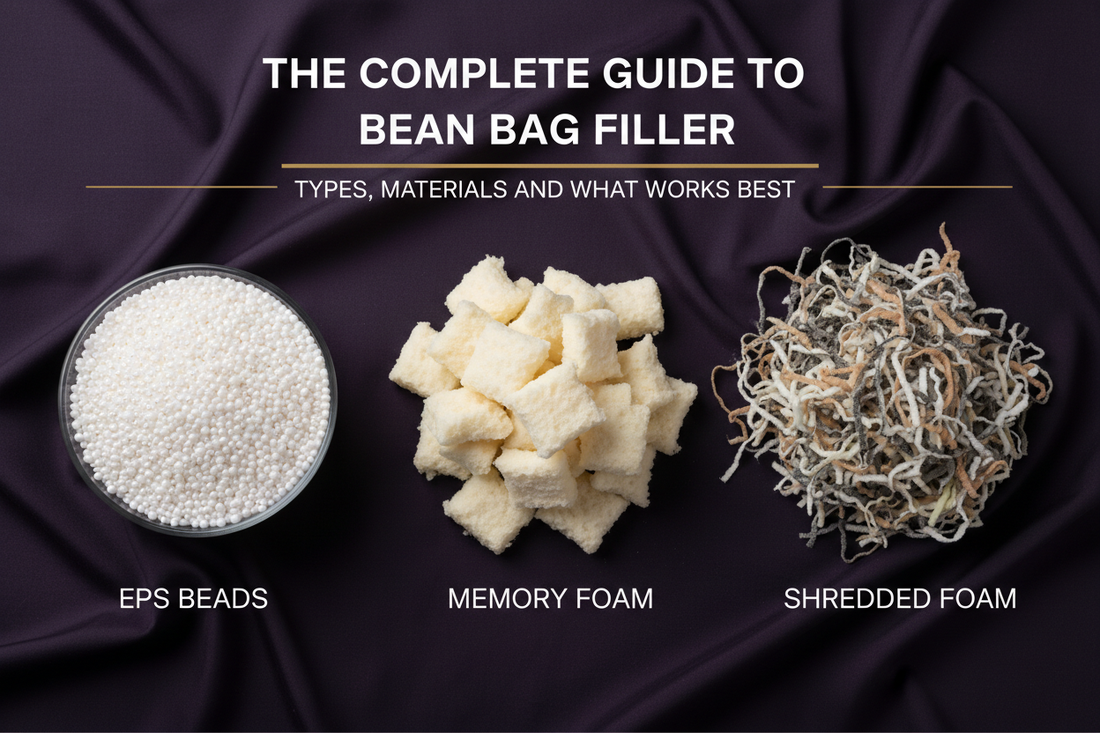
Choosing the right bean bag filler can make all the difference between a comfortable seating experience and one that leaves you feeling unsupported. Whether you're refilling an old favorite or selecting filler for a new bean bag chair, understanding your options helps you make a choice that fits your comfort needs, budget, and lifestyle.
In this guide, we'll walk you through everything you need to know about bean bag filler materials, so you can find the option that works best for you.
Understanding Bean Bag Filler Basics
What Makes Quality Bean Bag Filler?
Quality bean bag filler does more than just fill space—it provides the support and comfort that makes your bean bag chair a pleasure to use. When you're evaluating filler options, you'll want to consider a few key characteristics:
Density and support play a major role in how well your bean bag holds its shape. Some fillers compress quickly under weight, while others maintain their structure over time. If you're planning to use your bean bag for extended sitting sessions—like working from home or gaming—you'll likely appreciate a filler that offers consistent support.
Compression resistance determines how long your bean bag will feel "full" before needing a refill. Most fillers will settle and compress to some degree with regular use, but the rate varies significantly between materials. Understanding this can help you set realistic expectations and plan for maintenance.
Safety considerations matter, especially if you have children or pets at home. Look for fillers that are non-toxic, properly contained within secure inner liners, and meet relevant safety standards. Many quality fillers come with certifications that verify their safety profile.

Eggzu Eggplant Bean Bag Chair – Soft & Supportive
How Much Filler Do You Need?
Bean bag filler is typically sold by volume (cubic feet) or weight (pounds), and the amount you need depends on your bean bag's size and your preferred firmness level.
As a general guideline, a small bean bag chair (2-3 feet) might need 2-4 cubic feet of filler, while a large adult-sized chair (4-5 feet) could require 6-8 cubic feet or more. Keep in mind that most bean bags aren't meant to be filled completely—leaving some room allows the filler to move and mold to your body, which is what creates that signature bean bag comfort.
One thing to note: many fillers compress during shipping and expand once opened. Don't be surprised if a small bag of compressed foam expands to fill a much larger space!

Types of Bean Bag Filler Materials
Let's explore the most common bean bag filler options available today. Each has its own personality, so to speak, with unique benefits and considerations.
EPP Beads (Expanded Polypropylene)
If you're looking for a step up from traditional EPS beads, EPP beads might catch your attention. They're often considered the premium cousin of EPS, offering enhanced durability and performance.
What makes EPP beads stand out:
- They resist compression much better than EPS, maintaining their shape and support over longer periods
- EPP beads can handle moisture and temperature changes more effectively, making them suitable for various environments
- They're recyclable, which may appeal to you if sustainability is important
- The material tends to last longer, potentially reducing the frequency of refills
Things to consider:
- EPP beads typically cost more than EPS, which can impact your budget
- They may be harder to find in local stores, though online retailers usually carry them
- While they're more durable, they're still synthetic and not biodegradable
If you're investing in a bean bag for a high-traffic area like a home office or family room, the extra durability of EPP beads could make them worth the additional cost over time.
Best for: Office seating, high-use environments, long-term investment
Shredded Memory Foam
Shredded memory foam brings a completely different feel to your bean bag experience. Instead of tiny beads, you're working with small pieces of the same foam used in premium mattresses and pillows.
What makes shredded memory foam appealing:
- It conforms to your body shape and provides pressure-relieving support, which many people find more comfortable for extended sitting
- Memory foam is virtually silent—no rustling sounds when you move
- It offers a more structured, supportive feel compared to beads
- The material doesn't create static electricity
Things to consider:
- Memory foam is heavier than bead fillers, making your bean bag less portable
- It typically costs more than polystyrene options
- Some memory foam can retain heat, though this varies by quality and density
- It may compress over time, though high-quality foam tends to bounce back well
If you're using your bean bag as a serious seating option for work or reading, the ergonomic support of memory foam might align well with your needs.
Best for: Ergonomic seating, home office chairs, anyone seeking therapeutic support
Shredded Polyurethane Foam
Standard polyurethane foam offers a middle ground between beads and memory foam. It's more structured than beads but typically firmer and more affordable than memory foam.
What makes polyurethane foam worth considering:
- It provides good support without the premium price of memory foam
- The material is quiet and doesn't generate static
- It offers a firmer, more chair-like feel if that's your preference
- It's widely available and comes in various densities
Things to consider:
- Like memory foam, it's heavier than bead options
- It can compress with use, though quality matters significantly here
- Some lower-quality foam may break down faster than other options
This type of filler works well if you want something more supportive than beads but aren't ready to invest in memory foam.
Best for: Structured seating, kids' furniture, firmer support preferences
Natural & Eco-Friendly Fillers
For those who prioritize sustainability and natural materials, several eco-friendly alternatives exist. These options appeal to environmentally conscious consumers looking to reduce their synthetic material use.
Buckwheat hulls are a popular natural choice. These are the outer shells of buckwheat seeds, and they create a unique, moldable filling that's been used in pillows for centuries. They're breathable, organic, and provide firm support. However, they're heavier than synthetic options and can make a subtle rustling sound. Some people love the natural feel, while others prefer the lighter weight of synthetic fillers.
Recycled textile fibers and cotton offer a softer, more cushioned feel. These materials are often made from repurposed fabrics, giving them strong eco-credentials. They're quiet and comfortable, though they may compress more quickly than other options and can be heavier.
Cork granules provide an interesting sustainable option. They're lightweight, naturally antimicrobial, and renewable. Cork has a unique texture that some people find appealing, though it's less common and may be harder to source.
Dried beans or legumes represent the traditional approach (hence "bean bag"), but they're rarely used today due to weight, potential pest attraction, and limited durability.
What to consider with natural fillers:
- They're biodegradable and often made from renewable or recycled materials
- Most are non-toxic and free from chemical treatments
- They tend to be heavier than synthetic options
- Some natural materials may develop odors over time if exposed to moisture
- They may attract pests if not properly stored or maintained
Best for: Eco-conscious consumers, natural living spaces, those avoiding synthetic materials
Hybrid Blends
Some manufacturers and DIY enthusiasts combine different filler types to create custom comfort profiles. For example, mixing EPS beads with shredded foam can give you the moldability of beads with added support from foam.
These blends let you fine-tune the feel of your bean bag, though they require more experimentation to get the ratio right. If you enjoy customizing your furniture to your exact preferences, this approach might appeal to you.
Best for: Specialized applications, premium products, customization enthusiasts
Comparing Filler Materials: What Works Best
Now that you know what's available, let's compare these materials across the factors that matter most in daily use.
Comfort & Support Comparison
Comfort is subjective—what feels perfect to one person might not work for another. That said, different fillers do offer distinct comfort characteristics.
For moldability and conforming ability, EPS and EPP beads excel. They flow around your body, creating that classic bean bag "hug." Memory foam also conforms well but in a different way—it responds to pressure and heat, creating a more structured support.
For firmness levels, natural fillers like buckwheat hulls tend to be firmest, followed by polyurethane foam, then memory foam, with EPS beads offering the softest, most yielding feel. EPP beads fall somewhere in the middle, providing more resistance than EPS while still being quite moldable.
For ergonomic support during prolonged sitting, memory foam and EPP beads often get high marks. They maintain their support structure better over extended periods, which can help reduce fatigue if you're working or gaming for hours.
Durability & Longevity
How long your filler lasts depends on both the material quality and how frequently you use your bean bag.
EPP beads tend to offer the longest lifespan among bead options, often lasting several years with regular use before needing replacement. Memory foam can also last quite well if you choose quality material, though it may eventually lose some of its bounce-back ability.
EPS beads typically compress faster, and you might find yourself adding more filler every year or two with frequent use. Natural fillers vary widely—buckwheat hulls can last several years, while softer materials like cotton may compress more quickly.
Maintenance requirements are generally minimal for most fillers. Occasionally fluffing or redistributing the fill helps maintain comfort, and some people rotate their bean bags to ensure even wear.
Safety & Health Considerations
Safety matters, especially if children or pets will be using your bean bag.
Fire safety: Look for fillers that meet fire safety standards. Many quality EPS and EPP beads include fire-retardant treatments. If this concerns you, check product specifications or certifications.
Chemical concerns: Some people worry about off-gassing from synthetic foams. If you're sensitive to odors or chemicals, look for CertiPUR-US certified foams, which are tested for harmful chemicals and emissions. Natural fillers generally don't have off-gassing concerns.
Allergens: Most synthetic fillers are hypoallergenic, while natural materials like buckwheat or cotton may trigger allergies in sensitive individuals.
Child safety: The most important safety feature is a secure inner liner with a child-resistant zipper. Small beads can pose a choking hazard if accessed directly, so proper containment is essential.
Environmental Impact
If environmental considerations influence your purchasing decisions, here's what to know:
Biodegradability: Natural fillers like buckwheat, cork, and cotton will break down naturally. Synthetic options like EPS, EPP, and polyurethane foam don't biodegrade, though EPP is recyclable in some areas.
Manufacturing footprint: Natural materials generally have a lower manufacturing impact, especially if they're made from agricultural byproducts or recycled textiles. Synthetic materials require more energy-intensive production processes.
Disposal: When it's time to replace your filler, natural options can often be composted or disposed of more easily. Synthetic fillers may need to go to landfills, though some recycling programs accept certain types.
Cost Analysis
Budget plays a role in most purchasing decisions, so let's break down the typical cost ranges:
EPS beads are usually the most affordable option, often ranging from $15-30 for enough filler to refill a standard bean bag chair. EPP beads typically cost 2-3 times more than EPS but may last longer, potentially offering better long-term value.
Memory foam tends to be the priciest option, sometimes costing $50-100 or more for a large bean bag, depending on quality. Polyurethane foam falls in the middle range, usually more than EPS but less than memory foam.
Natural fillers vary widely in price depending on the material and source, but they're often comparable to or slightly more expensive than EPS beads.
When considering cost, think about replacement frequency. A cheaper filler that needs replacing annually might cost more over five years than a pricier option that lasts the entire period.
Noise & Sensory Factors
This might seem like a minor detail, but if you're sensitive to sounds or textures, it's worth considering.
Bead fillers (both EPS and EPP) create a gentle rustling sound when you move. Some people find this soothing, while others prefer silence. The sound is generally subtle but noticeable in quiet environments.
Foam fillers are virtually silent, making them ideal if you're using your bean bag in a bedroom, office, or anywhere you want minimal noise.
Static electricity can be an issue with EPS beads, occasionally causing them to cling to clothing or surfaces when refilling. EPP beads generate less static, and foam options don't have this issue at all.
Choosing the Right Filler for Your Needs
With all these options, how do you decide what's right for you? Let's look at some common scenarios to help guide your choice.
By Use Case
For gaming chairs: If you're settling in for long gaming sessions, you'll want something that maintains support over hours. EPP beads or memory foam often work well here, providing the comfort you need without constant readjustment. The silent nature of foam can also be a plus if you're streaming or in voice chat.
For office seating: Working from home means you need reliable ergonomic support. Memory foam or EPP beads can help maintain good posture during your workday. The professional appearance and quiet operation of foam-filled bean bags might also appeal to you if your workspace is visible during video calls.
For kids' furniture: Durability and safety are your top priorities here. EPP beads offer great durability for active use, while their lighter weight (compared to foam) makes the furniture easier for kids to move around. Make sure whatever you choose has a secure inner liner with child-resistant closures.
For lounging and relaxation: If you're creating a cozy reading nook or relaxation space, EPS beads might be perfect. They're affordable, comfortable for casual use, and create that classic bean bag feel. The moldability lets you sink in and get comfortable with a book or tablet.
For outdoor bean bags: If you're considering bean bags for a covered patio or sunroom, EPP beads handle temperature and humidity changes better than other options. They're more resistant to moisture and won't break down as quickly in varying conditions.
By User Preferences
If you prefer firm support: Look toward buckwheat hulls, polyurethane foam, or EPP beads. These materials resist compression and provide more structured seating.
If you like a soft, enveloping feel: EPS beads or memory foam will likely appeal to you. They conform closely to your body and create that "sinking in" sensation.
If portability matters: EPS or EPP beads keep your bean bag lighter and easier to move between rooms. Foam options can make your bean bag significantly heavier.
If you're noise-sensitive: Foam fillers are your best bet for silent seating. If you're considering beads but want to minimize sound, EPP beads tend to be slightly quieter than EPS.
By Budget
Entry-level options ($15-30): EPS beads offer the most affordable way to fill or refill your bean bag. They provide good comfort for casual use and are easy to find.
Mid-range choices ($30-60): EPP beads and polyurethane foam fall into this category, offering better durability and support than budget options while remaining reasonably priced.
Premium investments ($60+): Memory foam represents the high end of bean bag fillers, providing superior comfort and support for those willing to invest more upfront.
By Space & Environment
Small spaces: Lighter fillers like EPS or EPP beads make your bean bag easier to move when you need to reclaim floor space. Their compressibility can also be helpful for storage.
High-traffic areas: Durability becomes crucial in family rooms or play areas. EPP beads or quality foam can withstand frequent use without breaking down quickly.
Climate considerations: If you live in a humid environment, EPP beads resist moisture better than other options. In hot climates, you might prefer beads over memory foam, which can retain heat.
Refilling & Maintenance Guide
Even the best filler will eventually need attention. Here's how to keep your bean bag in top shape.
When to Add or Replace Filler
You'll know it's time to add more filler when your bean bag starts feeling flat or doesn't provide the support it once did. If you're sitting lower than usual or can feel the floor through the bottom, those are clear signs.
Topping up vs. complete replacement: Often, you can simply add more filler to refresh your bean bag. Complete replacement is usually only necessary if the existing filler has broken down significantly, developed odors, or if you're switching to a different material type.
With regular use, EPS beads might need topping up every 1-2 years, while EPP beads or quality foam might go 3-5 years or more before needing attention.
How to Refill Safely
Refilling a bean bag is straightforward, but a few tips can make the process much easier:
Gather your supplies: You'll need your new filler, the bean bag with its inner liner, and ideally a large cardboard box or plastic bin to work over (this catches any escapees).
Work in a contained space: Static electricity can send EPS beads flying, so working inside a large box or doing this in a bathtub (dry, of course) can save cleanup time.
Go slowly: Pour or scoop filler gradually. Rushing leads to spills and static issues with beads.
Don't overfill: Leave about 20-30% of the space empty. This allows the filler to move and conform to your body—overfilling creates a stiff, uncomfortable bean bag.
Secure everything properly: Make sure both the inner liner and outer cover are fully closed before use.
For static reduction with beads: Some people lightly mist the air (not the beads directly) with water to reduce static, or work in a slightly humid environment.
Maintaining Filler Quality
Regular fluffing: Every few weeks, give your bean bag a good shake and fluff to redistribute the filler. This prevents it from settling into one area and helps maintain even support.
Rotation: If possible, rotate your bean bag occasionally so different areas bear weight, promoting even wear.
Storage: If you're storing your bean bag for a season, keep it in a dry area away from direct sunlight. Extreme temperatures can affect some materials over time.
Cleaning considerations: Most fillers themselves aren't washable, which is why the removable outer cover is so important. If filler gets wet, spread it out to dry completely before returning it to the bag to prevent mold or odors.
Where to Buy Bean Bag Filler
Retail vs. Bulk Options
You'll find bean bag filler at home goods stores, furniture retailers, and online marketplaces. Pre-packaged bags (usually 1-5 cubic feet) work well for single refills and are convenient if you're new to this.
If you have multiple bean bags or plan to refill regularly, bulk purchasing can save money. Some suppliers offer 10+ cubic foot bags at better per-unit prices.
Quality Indicators When Shopping
Look for certifications: CertiPUR-US for foam products indicates testing for harmful chemicals. OEKO-TEX certification shows textiles meet safety standards.
Check the specifications: Reputable sellers provide clear information about bead size, foam density, or material composition. Vague descriptions might indicate lower quality.
Read reviews: Other customers' experiences can tell you a lot about how the filler performs in real-world use, how much it compresses, and whether it matches the description.
Red flags to avoid: Extremely low prices compared to similar products, lack of safety information, or sellers who can't answer basic questions about their products.
Shipping & Handling Considerations
Many fillers, especially foam, ship compressed to reduce shipping costs. Don't be alarmed if your package seems too small—the material will expand once opened. Some products recommend letting foam "breathe" for 24-48 hours after unboxing to fully expand and air out.
Return policies matter, especially if you're trying a new filler type. Check whether you can return opened packages if the product doesn't meet your expectations.
Common Questions & Troubleshooting
Frequently Asked Questions
How much filler do I need for my bean bag size? As a starting point, small bean bags (2-3 feet) typically need 2-4 cubic feet, medium bags (3-4 feet) need 4-6 cubic feet, and large adult-sized bags (4-5 feet) need 6-8 cubic feet or more. Remember, you don't want to fill it completely—leaving room for movement is key to comfort.
Can I mix different filler types? Yes, you can experiment with mixing fillers to create custom comfort. A common approach is combining EPS beads with some shredded foam for a balance of moldability and support. Just be aware that different materials may settle differently over time.
Is bean bag filler washable? Most fillers aren't designed to be washed. EPS and EPP beads can be damaged by water, and foam takes forever to dry and may develop mold. This is why having a removable, washable outer cover is so important—it protects the filler from spills and dirt.
How do I reduce static electricity? Static is most common with EPS beads. You can reduce it by working in a slightly humid environment, using an anti-static spray in the area (not directly on beads), or choosing EPP beads or foam fillers instead, which don't generate static.
Are bean bag fillers safe for pets? The filler itself is generally safe if your pet doesn't have access to it. The key is ensuring your bean bag has a secure inner liner that your pet can't tear open. If you have a pet who likes to chew or dig, you might want to supervise their use or choose a more durable outer cover.
Problem Solving
Bean bag too firm: You've probably overfilled it. Remove some filler until you achieve the comfort level you want. Remember, less is often more with bean bags.
Bean bag too soft: Time to add more filler. You might also check if the existing filler has compressed significantly—if so, replacing rather than just adding might give better results.
Filler escaping from seams: This usually indicates a problem with the inner liner. Check all seams and zippers. If the inner liner is damaged, replace it before you lose more filler. Quality bean bags have double-stitched seams and durable zippers to prevent this issue.
Odor issues: New foam sometimes has a manufacturing smell that airs out within a few days. If odor develops later, it might indicate moisture got into the filler. Natural fillers can develop musty smells if they get damp. In most cases, you'll need to replace affected filler and ensure the bean bag stays dry going forward.
Noise reduction: If bead rustling bothers you, you have a few options: switch to foam filler, add some foam to your existing beads to dampen the sound, or simply give it time—many people find they stop noticing the sound after a while.
The Future of Bean Bag Filler
The bean bag filler industry continues to evolve, with innovation focused largely on sustainability and performance.
Emerging sustainable materials include fillers made from recycled ocean plastics, agricultural waste products, and bio-based foams derived from plant materials rather than petroleum. While these aren't yet widely available, they represent an exciting direction for eco-conscious consumers.
Performance innovations are bringing us materials that resist compression better, regulate temperature more effectively, and provide enhanced ergonomic support. Some manufacturers are experimenting with hybrid materials that combine the best properties of different filler types.
Recycling programs are beginning to emerge, where companies take back old filler for proper recycling or repurposing. As these programs expand, they could make synthetic fillers more environmentally friendly options.
Conclusion
Choosing the right bean bag filler comes down to understanding your priorities. If budget and classic bean bag feel matter most, EPS beads serve you well. If you're investing in long-term comfort and durability, EPP beads or memory foam might be worth the extra cost. And if sustainability guides your decisions, natural fillers offer peace of mind along with comfort.
There's no single "best" filler—just the best one for your specific situation. Consider how you'll use your bean bag, who'll be using it, your budget, and what matters most to you in terms of comfort and environmental impact.
The good news is that bean bag filler is relatively affordable and easy to change, so if your first choice doesn't feel quite right, you can always experiment. Many bean bag enthusiasts try different fillers over time, discovering their perfect combination through experience.
Whatever you choose, investing in quality filler makes your bean bag more comfortable and longer-lasting, turning it into a favorite spot for relaxation, work, or play.


