
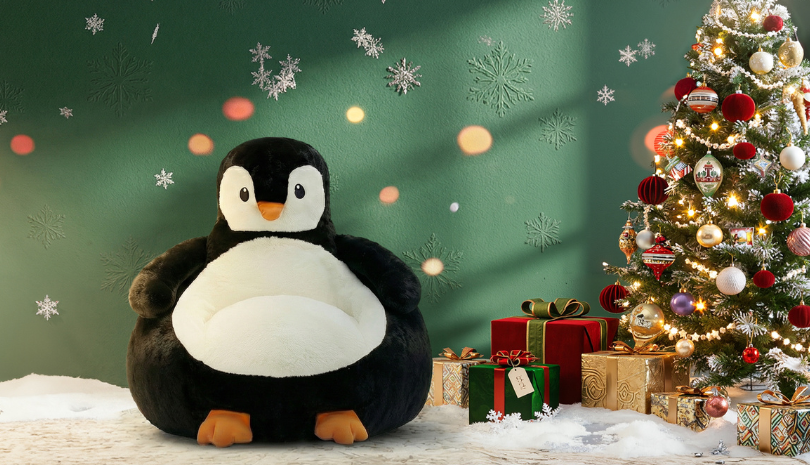
Keeping your stuffed animal bean bag chair clean and well-maintained doesn't have to be complicated. With the right care routine, you can help ensure your chair stays fresh, comfortable, and looking great for years to come. Whether you're dealing with everyday spills or planning a deep clean, this guide walks you through everything you need to know about caring for your bean bag chair.
Understanding Your Bean Bag Chair Components
Before diving into cleaning, it's helpful to understand what you're working with. Most stuffed animal bean bag chairs consist of two main parts: the outer cover and the inner liner with filling.
The outer cover is typically made from durable fabrics like cotton, polyester blends, or soft microfiber. Many modern designs feature removable, washable covers with sturdy zippers, making cleaning much easier. Always check the care label on your specific chair—it's your best source for manufacturer recommendations.
The inner liner holds the filling, which is often made of EPS (expanded polystyrene) beads. This liner acts as an important safety barrier, especially for chairs designed for kids. It helps keep the small beads contained and prevents them from becoming a hazard.
Understanding these components helps you choose the right cleaning approach for your particular chair.
 Eggzu Kangaroo Bean Bag Chair – Soft & Supportive
Routine Maintenance: Keeping Things Fresh
Regular, light maintenance can go a long way in extending your bean bag's life and keeping it looking its best.
Quick surface cleaning is your first line of defense. When spills happen—and they will, especially in homes with kids—address them right away. Blot (don't rub) liquid spills with a clean, dry cloth to prevent stains from setting. For crumbs and dust, a quick once-over with a vacuum's upholstery attachment works wonders. If you have pets, a lint roller can help remove hair and keep the fabric looking clean.
Fluffing and reshaping your chair regularly helps maintain its shape and comfort. Every week or so, give your bean bag a good shake and knead to redistribute the filling. This simple step can prevent flat spots and sagging, keeping your chair comfortable and inviting. If you notice certain areas getting compressed over time, this might be a sign that you'll eventually need to add more filling.

Deep Cleaning Your Washable Cover
When it's time for a thorough cleaning, removable covers make the process straightforward.
Preparation is key. Start by checking your care label for any specific instructions from the manufacturer. Carefully unzip the cover and remove all stuffed animals or transfer the filling to a safe container if needed. If you spot any stains, pre-treating them before washing can improve your results. A gentle stain remover or a paste of baking soda and water often works well for common stains.
Machine washing guidelines vary by fabric, but some general principles apply. Cold or warm water tends to work better than hot, which can cause shrinkage in some materials. Use a gentle cycle to protect the fabric, and opt for a mild, fragrance-free detergent when possible. It's generally best to avoid fabric softeners and bleach, as these can break down fibers over time or cause discoloration.
Drying methods matter too. Air drying is often the gentlest option and helps prevent shrinkage. If you prefer using a dryer, a low-heat setting is usually safer. Make sure the cover is completely dry before putting it back on—any remaining moisture can lead to mildew or musty odors.
Cleaning Non-Removable Covers
Not all bean bag chairs have removable covers, but you can still keep them clean with spot-cleaning techniques.
Foam upholstery cleaners designed for furniture can work well for surface cleaning. Follow the product instructions carefully, and always test in a small, hidden area first to make sure it won't discolor or damage your fabric.
DIY cleaning solutions offer a gentler alternative. A mixture of mild dish soap and water, applied with a soft cloth, can tackle most everyday dirt. For odors, a solution of equal parts water and white vinegar can help neutralize smells. Just remember to use these solutions sparingly—you don't want to oversaturate the fabric.
After spot cleaning, good ventilation is important. Open windows or use a fan to help the chair dry thoroughly and prevent any dampness from lingering.
Maintaining the Inner Liner and Filling
The inner components of your bean bag chair need attention too, though less frequently than the outer cover.
Cleaning the inner liner isn't usually necessary unless there's been a spill that penetrated the outer cover. If you do need to clean it, check if it's machine washable or if spot cleaning is recommended.
Refilling or topping up becomes necessary when your chair starts feeling flat or less supportive. Signs you might need more filling include visible sagging, reduced comfort, or the chair not bouncing back to its original shape. When adding EPS beads, work in a well-ventilated area and consider doing it over a large sheet or tarp to catch any escapees—those little beads can be surprisingly mobile!
If your inner liner shows signs of wear, like tears or weak seams, replacing it can help extend your chair's overall lifespan and maintain safety standards.
Tackling Common Stains
Different stains call for different approaches, but quick action generally improves your chances of success.
Food and beverage spills are among the most common culprits. For fresh spills, blot immediately with a clean cloth. For dried stains, a gentle detergent solution often helps. Greasy food stains might benefit from a small amount of dish soap, which is designed to cut through oils.
Ink and marker can be trickier. Rubbing alcohol applied with a cotton ball sometimes works, but test it first in an inconspicuous spot. Dab gently rather than rubbing, which can spread the stain.
Mud and dirt are often easier to handle once they've dried completely. Let the mud dry, then brush or vacuum off as much as possible before spot cleaning any remaining marks.
Pet accidents require both stain removal and odor control. Enzyme-based cleaners designed for pet stains can be particularly effective, as they break down the organic compounds that cause odors.
Whatever cleaning product you use, testing it on a hidden area first is always a smart move. This helps you avoid any unpleasant surprises like discoloration or fabric damage.

Keeping Your Bean Bag Fresh
Even clean bean bags can benefit from regular freshening to keep them smelling pleasant.
Baking soda is a tried-and-true deodorizer. Sprinkle it lightly over the surface, let it sit for 15-30 minutes, then vacuum it up. This simple trick can help absorb odors without adding any artificial fragrances.
Fabric refresher sprays can work well too, especially those designed to be safe for kids and pets. Look for options without harsh chemicals if your chair gets a lot of use from little ones.
Fresh air and sunshine are nature's cleaning tools. When weather permits, placing your bean bag near an open window or outside in indirect sunlight can help air it out and naturally freshen the fabric. Just avoid prolonged direct sunlight, which can fade colors over time.

Storage Tips for Seasonal or Long-Term Use
If you need to store your bean bag chair for a while, proper storage can help keep it in good condition.
Choose the right environment. A cool, dry space away from direct sunlight works best. Basements can work if they're not damp, and climate-controlled storage is ideal. Avoid areas with temperature extremes or high humidity, which can affect both the fabric and filling.
Protect from pests and dust by covering your chair with a breathable fabric cover or clean sheet. Avoid plastic bags for long-term storage, as they can trap moisture.
Prepare the chair by cleaning it thoroughly before storage. Make sure it's completely dry to prevent mildew. Some people like to add a sachet of dried lavender or cedar chips to help keep things fresh and deter pests.
Smart Use for Extended Lifespan
How you use and position your bean bag chair can affect how long it lasts.
Placement considerations include keeping your chair away from direct sunlight, which can fade colors and weaken fabrics over time. Avoid placing it near heat sources like radiators, and keep it away from sharp objects or rough surfaces that might snag or tear the fabric.
Respecting weight limits helps maintain the chair's structure. While bean bags are generally quite durable, staying within recommended weight guidelines can prevent excessive wear on seams and zippers.
Teaching kids gentle handling can make a big difference. Encourage them to avoid jumping on the chair or dragging it roughly across floors. Making it a cozy reading spot or calm play area can help set the right expectations.
If you have multiple bean bag chairs, rotating their use can help distribute wear more evenly, potentially extending the life of each one.
Troubleshooting Common Issues
Even with great care, you might encounter some common challenges.
Zipper problems can often be fixed with a bit of patience. If a zipper gets stuck, try rubbing a graphite pencil along the teeth or using a small amount of soap. For broken zippers, replacement is usually possible—many fabric stores or tailors can help with this repair.
Seam splitting or loose stitching should be addressed promptly to prevent further damage. A simple needle and thread repair can work for small issues, or you might consider taking it to a professional for more extensive repairs.
Cover fading is natural over time, especially with sun exposure. While you can't reverse fading, you can slow it down by keeping your chair out of direct sunlight.
Persistent odors that don't respond to regular cleaning might indicate moisture trapped in the filling. In this case, ensuring the chair is completely dry and well-ventilated is important. Sometimes, replacing the filling can be the most effective solution.
Safety Reminders
Safety should always be a priority, especially with furniture designed for children.
Keep zippers secure and check them regularly. Some chairs come with safety features like zipper locks or covers—use them. This helps prevent curious little ones from accessing the filling.
Supervise children during any cleaning or refilling activities. Those small EPS beads can be a choking hazard for young children and pets.
Dispose of damaged filling properly. If you need to replace filling, seal old beads in bags before disposal to prevent them from scattering.
Consider allergen concerns. If anyone in your household has sensitivities, choose hypoallergenic cleaning products and ensure thorough drying to prevent mold or mildew growth.
Wrapping Up
Caring for your stuffed animal bean bag chair doesn't require a lot of time or special equipment—just a bit of regular attention and the right approach when deeper cleaning is needed. By incorporating simple maintenance habits like quick spot cleaning and regular fluffing, you can help keep your chair comfortable and looking good.
Remember, every bean bag is a little different, so always check your specific care label for manufacturer recommendations. When in doubt, gentler cleaning methods tend to be safer. With proper care, your bean bag chair can remain a cozy, beloved spot in your home for many years to come.
Have questions about caring for your specific bean bag model? Don't hesitate to reach out to the manufacturer or check their website for additional care resources and support. Your comfort and satisfaction matter, and most companies are happy to help you get the most out of your purchase.


