
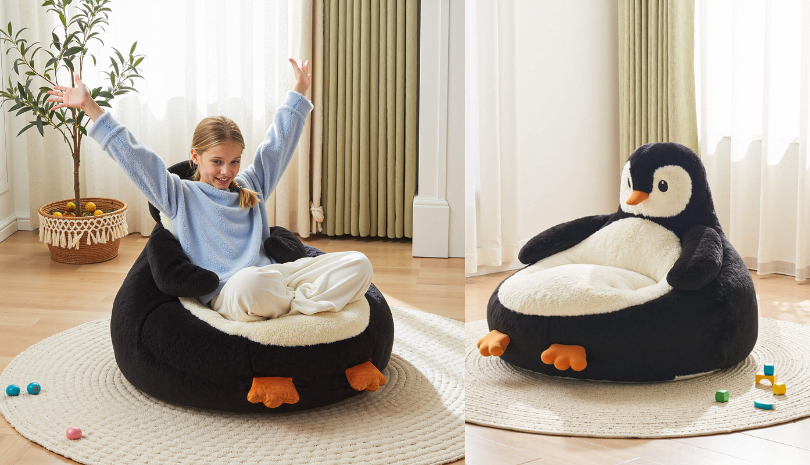
When you're shopping for a bean bag chair for your child, the fill material might not be the first thing on your mind—but it should be. The type of fill inside determines how comfortable, safe, and long-lasting that bean bag will be. Whether your little one needs a cozy spot for reading, a comfy gaming chair, or just a fun place to lounge, understanding the difference between memory foam and EPS beads can help you make the right choice for your family.
In this guide, we'll walk you through everything you need to know about these two popular fill options. By the end, you'll have a clear idea of which one might work best for your child's needs, your budget, and your lifestyle.
Understanding Bean Bag Fill Materials
Before we dive into comparisons, let's get familiar with what we're actually talking about.
What Are EPS Beads?
EPS stands for Expanded Polystyrene—those tiny, lightweight pellets you probably picture when you think of a classic bean bag. They're made from polystyrene foam and create that signature "beanbag feel" where the chair molds and shifts as your child moves around.
You'll find EPS beads in many traditional bean bags, and they're often the go-to choice for budget-friendly options. Some manufacturers use virgin EPS beads, while others opt for recycled materials, which can be a nice eco-conscious touch.
What Is Shredded Memory Foam?
Memory foam fill consists of small pieces of polyurethane foam—the same material used in premium mattresses and pillows. Instead of tiny beads, you get soft, irregular foam chunks that compress and contour to your child's body.
This type of fill tends to show up in higher-end bean bags and is known for providing more structured, cushioned support. It's become increasingly popular among parents looking for something that feels a bit more "furniture-like" and less like a traditional beanbag.
Head-to-Head Comparison: Memory Foam vs. EPS Beads
Now let's break down how these two materials stack up across the factors that matter most to parents.
Comfort & Support
EPS Beads create a lightweight, moldable experience. The beads shift and move with your child, which some kids absolutely love—it's that classic "sinking in" feeling. The surface tends to stay cooler since air can circulate between the beads, which can be a plus during warmer months. However, the support is less structured, so it might not be ideal if your child needs firm back support for activities like reading or homework.
Memory Foam offers a plush, cushioned feel that conforms to your child's body shape. It provides firmer, more consistent support and tends to hold its shape better throughout the day. The trade-off? It can feel warmer since the foam is denser and doesn't allow as much airflow.
What works best? If your child loves to sprawl out for active play or casual lounging, EPS beads might be the way to go. For focused activities like reading, drawing, or screen time, memory foam's supportive structure could be more comfortable.
Safety Considerations
Safety is always top of mind when it comes to kids' furniture, and both fill types have important considerations.
EPS Beads are small—typically around 3-5mm in diameter—which means they can pose a choking hazard if a curious toddler gets access to them. This is why childproof zippers or hidden closures are essential. When you're shopping, look for bean bags with lockable or safety zippers that little hands can't easily open. The good news is that when properly certified (look for non-toxic labels), EPS beads themselves are generally safe materials.
Memory Foam pieces are much larger than EPS beads, which reduces the choking risk somewhat. However, you'll still want to ensure the cover has secure closures. One thing to be aware of is off-gassing—that "new foam" smell that can occur with memory foam products. Look for CertiPUR-US certified foam, which means it's been tested for harmful chemicals and VOCs (volatile organic compounds).
The bottom line: Both options can be safe when the bean bag is well-constructed with proper safety features. Memory foam may have a slight edge for households with very young children who are especially curious about zippers.

Durability & Longevity
How long will your investment last? This is where the two materials differ quite a bit.
EPS Beads tend to compress over time—usually within 12 to 24 months of regular use. You'll notice the bean bag starting to feel flatter and less supportive. The good news is that refilling is relatively easy and inexpensive. Many parents find that topping up the beads once a year keeps the chair feeling fresh.
Memory Foam maintains its loft and support much longer—often 3 to 5 years or more. The foam is more resilient to compression, so you won't need to refill it nearly as often (if at all). The chair will feel consistently supportive throughout its lifespan. The trade-off is that memory foam bean bags are heavier and bulkier.
Cost over time: Memory foam typically costs more upfront but requires less maintenance. EPS beads offer a lower entry price but may need periodic refills. Think about which approach fits better with your budget and maintenance preferences.
Maintenance & Cleaning
Let's be honest—kids and messes go hand in hand. Here's what you need to know about keeping these bean bags clean.
EPS Beads: The fill itself can't be washed, which is why a removable, machine-washable cover is absolutely essential. If you ever need to refill or adjust the amount of beads, be prepared for a bit of a challenge—those little pellets can create static cling and scatter everywhere. (Pro tip: do it outside or in a bathtub!)
Memory Foam: Like EPS, the foam fill shouldn't go in the washing machine, but some types can be spot-cleaned if needed. Handling memory foam is generally less messy than dealing with thousands of tiny beads. Again, a removable, washable cover is your best friend.
Best practice for both: Invest in a bean bag with a high-quality, removable cover that's machine-washable and ideally stain-resistant. This makes regular cleaning much easier and helps the chair last longer.
Weight & Portability
How easy is it for your child (or you) to move the bean bag around?
EPS Beads are ultra-lightweight. Even young children can often drag or carry their bean bag from room to room, which is great if they like to rearrange their space or bring their favorite seat to different areas of the house.
Memory Foam is considerably heavier. Once you place it somewhere, it tends to stay put—which can actually be a benefit if you want stable seating that won't tip or slide around during active play.
Consider your space: If you have a playroom where your child loves to move furniture around, EPS might be more practical. For a dedicated reading nook or bedroom corner, the stability of memory foam could be preferable.
Environmental Impact
If sustainability matters to your family, here's what to consider.
EPS Beads are petroleum-based and not biodegradable, though they can be recycled in some areas. Some brands now offer recycled EPS options, which can reduce environmental impact. However, recycling facilities that accept EPS aren't available everywhere.
Memory Foam is also petroleum-based, though CertiPUR-US certification helps ensure fewer harmful chemicals are used in production. Some manufacturers are now offering plant-based memory foam options, which can be a more eco-friendly choice.
The reality: Both materials have environmental trade-offs. If this is important to you, look for certifications, recycled content, or plant-based alternatives, and consider the longevity of the product—something that lasts longer may ultimately be more sustainable.

Price Range
Budget is often a deciding factor, so let's talk numbers.
EPS Bead bean bags for kids typically range from $30 to $100, depending on size, cover quality, and brand. They're generally the more budget-friendly option upfront.
Memory Foam bean bags usually start around $80 and can go up to $250 or more for premium options. The higher price reflects the cost of materials and the longer lifespan.
Think total cost: While memory foam costs more initially, you may save on refills and replacements over time. EPS beads offer a lower barrier to entry but may require ongoing investment in refills.
Which Fill Is Best for Your Child?
There's no one-size-fits-all answer here—the best choice depends on your specific situation. Here's a quick guide to help you decide.
EPS Beads Might Be Your Best Bet If:
- You're working with a tighter budget and want an affordable entry point
- Your child is active and loves to move furniture around their room
- You prefer a cooler, more breathable seating surface
- You're comfortable with occasional DIY maintenance (refilling every year or so)
- The bean bag will mainly be used for casual lounging, gaming, or active play
- You want that classic, moldable bean bag experience
Memory Foam Could Be the Better Choice If:
- You're looking for a long-term investment with minimal maintenance
- Your child needs supportive seating for reading, homework, or focused activities
- You prefer a premium, plush feel that's more furniture-like
- Stability is important—you want something that won't tip or slide easily
- You're willing to invest more upfront for lasting quality and durability
- You have very young children and want to minimize small-part risks
What About Hybrid Options?
Some premium brands offer hybrid bean bags that blend memory foam and EPS beads—often with a memory foam core surrounded by EPS beads. This can give you a nice balance of support and that classic bean bag feel. If you're torn between the two, a hybrid might be worth exploring.

Safety Tips for Any Fill Type
No matter which fill you choose, keep these safety guidelines in mind:
- Always look for childproof closures: Lockable zippers or hidden closures are essential to prevent access to the fill
- Check for certifications: CertiPUR-US for memory foam, OEKO-TEX for fabrics, and non-toxic certifications for EPS beads
- Verify flame-retardant compliance: Make sure any flame retardants used are free from harmful chemicals
- Choose removable, washable covers: This makes cleaning easier and helps maintain hygiene
- Supervise young children: Kids under 3 should always be supervised when using bean bags
- Inspect regularly: Check seams, zippers, and fabric for wear and tear, especially with active use
How to Maintain Your Child's Bean Bag Chair
A little care goes a long way in extending the life of your bean bag.
For EPS Bead Fill:
- Plan to refill every 12-18 months, or sooner if the chair feels noticeably flat
- Use a funnel or large container when refilling to minimize mess
- Store extra beads in airtight containers to keep them fresh and prevent static
- Fluff the bean bag regularly to redistribute the beads evenly
For Memory Foam Fill:
- Fluff and rotate the bean bag periodically to maintain even distribution
- If the manufacturer allows, you can spot-clean the foam—but check guidelines first
- Air out the bean bag occasionally, especially when new, to reduce any residual odors
- Avoid compressing or storing in tight spaces for long periods
Cover Care (Both Types):
- Wash covers monthly or as needed, following care label instructions
- Use stain-resistant treatments that are safe for children
- Check temperature and detergent guidelines to avoid shrinking or damage
- Zip covers fully before washing to protect the zipper
Making Your Final Decision
Choosing between memory foam and EPS beads really comes down to what matters most to you and how your child will use the bean bag. EPS beads offer affordability, lightweight versatility, and that classic bean bag experience. Memory foam delivers premium comfort, long-lasting durability, and supportive structure.
Think about your child's age, how they'll use the chair, and what fits your budget and maintenance preferences. There's no wrong choice—just the right choice for your family's unique needs.
When you're ready to explore options, look for bean bags with quality construction, safety certifications, and removable covers. Whether you go with EPS beads, memory foam, or even a hybrid, you'll be giving your child a cozy, comfortable spot that's all their own.
Frequently Asked Questions
Is memory foam or EPS safer for toddlers?
Both can be safe when the bean bag has proper childproof closures. Memory foam may have a slight advantage since the pieces are larger and pose less of a choking risk if accessed. Always supervise young children and choose bean bags with lockable or hidden zippers.
How often do I need to refill EPS bean bag chairs?
Most EPS bean bags benefit from refilling every 12-18 months with regular use. You'll notice when it's time—the chair will feel flatter and less supportive. Refill beads are widely available and relatively inexpensive.
Can memory foam bean bags be washed?
The memory foam fill itself typically shouldn't be washed, but many can be spot-cleaned if needed. Always check the manufacturer's guidelines. The cover should be removable and machine-washable for easy cleaning.
Which fill type lasts longer?
Memory foam generally lasts longer—often 3-5 years or more—while EPS beads may compress within 12-24 months and require refilling. However, with proper maintenance and refills, EPS bean bags can also provide years of use.
Are there eco-friendly bean bag fill options for kids?
Yes! Look for bean bags with recycled EPS beads or plant-based memory foam. CertiPUR-US certified memory foam and OEKO-TEX certified fabrics also indicate more environmentally conscious manufacturing. Keep in mind that longevity is also an eco-friendly factor—products that last longer reduce waste.
What certifications should I look for in bean bag fills?
For memory foam, look for CertiPUR-US certification, which ensures the foam is made without harmful chemicals and has low VOC emissions. For fabrics and overall materials, OEKO-TEX certification is valuable. For EPS beads, look for non-toxic certifications and information about whether they're virgin or recycled materials.


