
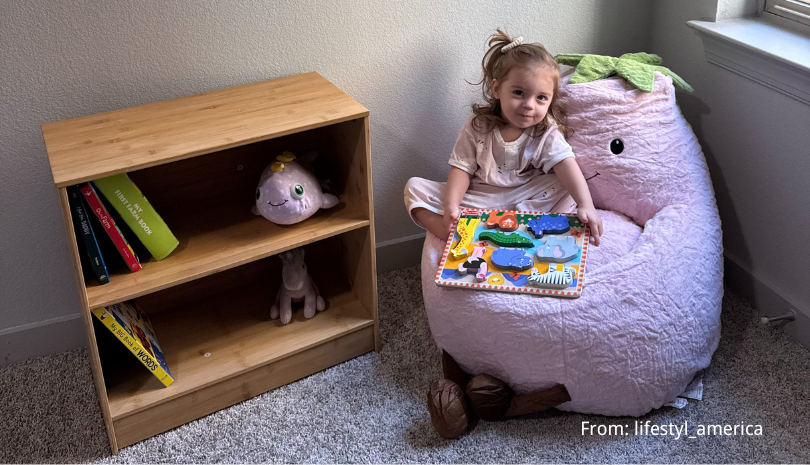
If you're shopping for a bean bag chair online for your little one, you've probably noticed there are quite a few size options out there. And honestly? It can feel a bit overwhelming trying to figure out which one is right for your child. Don't worry—we've got you covered with this friendly guide to help you navigate the world of kiddies bean bags and find that perfect fit.
Why Size Really Matters
Before we dive into the specifics, let's talk about why getting the size right is so important. A well-fitted bean bag can become your child's favorite spot for reading, gaming, or just relaxing. When the size is right, it supports their body comfortably and can grow with them for years. On the flip side, a bean bag that's too small might not provide enough support, while one that's too large could overwhelm a smaller child or take up too much space in their bedroom.
Understanding Bean Bag Sizes: The Basics
When you're browsing bean bag chairs online, you'll typically see sizes described in inches or categorized by age groups. Here's what you might encounter:
- Small Bean Bags (20-24 inches): These compact options tend to work well for toddlers and younger children. They're cozy without being overwhelming, and they fit nicely in smaller spaces.
- Medium Bean Bags (26-30 inches): This middle-ground size often suits preschoolers through early elementary-aged kids. It's a popular choice because it offers room to grow while still being appropriately sized for younger children.
- Large Bean Bags (32-38 inches): Older kids and tweens often appreciate these roomier options. They provide plenty of space to sprawl out with a book or tablet.
- Extra-Large Bean Bags (40+ inches): These generous sizes can work for teens or even double as seating that the whole family can enjoy.
Keep in mind that measurements can vary between brands, so it's always worth checking the specific dimensions when shopping online.
Choosing the Right Size by Age Group
While every child is different, age can be a helpful starting point when you're narrowing down your options.
Toddlers (1-3 years)
For your littlest ones, smaller bean bags in the 20-24 inch range often work nicely. At this age, you'll want something that's easy for them to climb onto independently. Look for options with a bit more structure—some bean bags designed for toddlers have a chair-like shape that provides extra support for developing bodies.
Safety is key here too. Make sure any bean bag you choose has secure, child-proof zippers so curious little hands can't access the filling.
Preschoolers (3-5 years)
Kids in this age range are becoming more independent and might enjoy a slightly larger bean bag in the 26-28 inch range. This size gives them room to wiggle around during story time or settle in for their favorite show. Many parents find that a medium-sized bean bag can serve their preschooler well for several years, making it a practical investment.
Elementary Age (6-10 years)
School-aged kids often appreciate having a bit more space. Bean bags in the 30-36 inch range can accommodate their growing bodies while still fitting comfortably in a bedroom. At this age, kids might use their bean bag for homework, reading, or gaming, so consider how they'll be using it most often.
Tweens and Teens (11+ years)
Older kids might prefer larger bean bags that feel more "grown-up." Sizes from 36 inches and up can provide the lounging space they're looking for. Some teens even appreciate adult-sized options, especially if they're taller or like to really stretch out.
Sizing Based on How They'll Use It
Think about what your child will actually be doing in their bean bag. This can help guide your size choice.
- For Reading and Quiet Time: A medium-sized bean bag often works well here. It provides a cozy nook without being so large that it's hard to get comfortable with a book.
- For Gaming and Screen Time: If your child will be sitting for longer periods, you might want to consider a slightly larger size that allows them to shift positions comfortably.
- For Active Play: Younger kids who might use their bean bag as part of playtime could benefit from a more durable, medium-sized option that can handle some movement.
- For Homework and Study: Look for bean bags with a bit more structure or consider a chair-style design in an appropriate size that provides good back support.
Room Size and Space Considerations
Even the most perfect bean bag won't work if it doesn't fit well in your space. Here's how to think about it:
Before you buy, measure the area where you're planning to put the bean bag. A good rule of thumb is to allow at least 6-12 inches of clearance around it so your child can easily get in and out. If you're working with a smaller bedroom, a compact or medium-sized bean bag might be your best bet.
Consider the layout, too. Will the bean bag live in a corner? Near a bookshelf? In the middle of a play area? The location can influence which size works best.
Body Size Matters Too
Here's something many parents don't realize at first: age isn't always the best indicator of the right size. Your child's actual height and build can be more important.
If your child is taller or larger than average for their age, you might want to size up. Conversely, if they're on the smaller side, a bean bag marketed for slightly younger kids might actually be more comfortable.
A simple way to gauge this: when your child sits in the bean bag, their feet should be able to touch the ground comfortably, and they should have enough room to shift positions without feeling cramped.
Common Sizing Mistakes to Avoid
Let's talk about a few pitfalls you might want to sidestep:
- Buying Too Small: While it might be tempting to save money with a smaller size, a bean bag that's too small can become uncomfortable quickly as your child grows. It's often worth investing in a size that will last a few years.
- Oversizing for Small Spaces: A huge bean bag might look fun online, but if it overwhelms your child's bedroom, it won't get much use. Be realistic about your available space.
- Ignoring Fill Quality: Two bean bags of the same size can feel quite different depending on the fill. Higher-quality fills tend to maintain their shape better, which affects the actual usable size over time.
- Not Thinking Ahead: Kids grow faster than we'd like! Consider where your child will be in a year or two when making your choice.
Comparing Bean Bags to Traditional Furniture
If you're trying to visualize how a bean bag will fit, it can help to compare it to furniture you already know:
- A small bean bag (20-24 inches) is roughly comparable to a toddler chair
- A medium bean bag (26-30 inches) is similar in footprint to a small armchair
- A large bean bag (32-38 inches) takes up about as much space as a compact lounge chair
One advantage of bean bags is that they're often more flexible in terms of placement since they don't have a fixed shape.
Special Considerations
Some situations call for extra thought when it comes to sizing:
- For Kids with Special Needs: Children with sensory processing differences or physical disabilities might benefit from specific sizes or styles. Some bean bags offer more support or deeper compression, which can be comforting. It's worth consulting with your child's therapist or doctor for personalized recommendations.
- Therapeutic Uses: If you're considering a bean bag for therapeutic purposes, size and fill density become even more important. Some children benefit from larger, more enveloping bean bags, while others prefer smaller, more structured options.
Shopping for Bean Bag Chairs Online: Size Tips
When you can't see and touch a bean bag in person, here's how to shop smart:
- Read Dimensions Carefully: Look for detailed measurements, not just size categories. Check both the diameter and height when filled.
- Study Product Photos: Many sellers include photos with people or other furniture for scale. These can be incredibly helpful for visualizing the actual size.
- Check Customer Reviews: Other parents often mention whether a bean bag runs large or small. Look for reviews from people with kids around the same age as yours.
- Understand Return Policies: Since sizing can be tricky when shopping online, make sure you can exchange or return the bean bag if it doesn't work out.
Testing and Adjusting
Once your bean bag arrives, here's how to make sure it's the right fit:
- The Sit Test: Have your child try it out. They should be able to sit comfortably with their back supported and feet touching the ground. They should also be able to get in and out easily.
- Fill Adjustments: Many bean bags allow you to add or remove fill to customize the firmness and size. If your bean bag feels too full or not full enough, this can make a big difference in comfort.
- Signs It's Time to Size Up: Your child might be outgrowing their bean bag if their knees are significantly higher than their hips when sitting, if they're constantly sliding off, or if they complain that it's uncomfortable.
Size Recommendations by Style
Different bean bag styles can fit differently even at the same size:
- Classic Round Bean Bags: These tend to be the most flexible in terms of positioning. Size recommendations by age generally apply well here.
- Chair-Style Bean Bags: These often have more structure and might feel smaller than their measurements suggest. They can be great for kids who need more back support.
- Lounger Bean Bags: These are typically longer and lower. They might work well for older kids who like to recline.
- Novelty Shapes: Animal-shaped or character bean bags can vary widely. Pay extra attention to dimensions with these since the shape can affect how they fit.
Budget Considerations
Let's be real—price matters. Here's how to think about it:
Generally, larger bean bags cost more, but the price difference between sizes isn't always huge. Sometimes it makes sense to invest in a slightly larger size that will last longer, even if it costs a bit more upfront.
If you have multiple children, you might consider getting different sizes for different kids rather than trying to find one size that works for everyone.
Quick Reference Guide
Here's a handy summary to help you decide:
- Toddlers (1-3 years, up to 3 feet tall): 20-24 inch bean bags
- Preschoolers (3-5 years, 3-4 feet tall): 26-28 inch bean bags
- Early Elementary (6-8 years, 4-4.5 feet tall): 28-32 inch bean bags
- Older Kids (9-12 years, 4.5-5 feet tall): 32-38 inch bean bags
- Teens (13+ years, 5+ feet tall): 38+ inch bean bags
Remember, these are general guidelines. Your child's individual size and preferences should be your primary guide.
Wrapping It Up
Finding the perfect bean bag size for your child doesn't have to be complicated. Start with their age and size as a baseline, think about how they'll use it, and consider your available space. When shopping for bean bag chairs online, take time to read the details and reviews carefully.
The right bean bag can become a beloved spot in your child's bedroom—a cozy place for reading, relaxing, or just being a kid. Whether you're looking at chic bean bag chairs that complement your decor or fun, colorful options that your child will love, getting the size right is the first step toward finding that perfect fit.
And remember, if you're between sizes, it's often better to go slightly larger. Kids grow quickly, and a bean bag with a little extra room can serve them well for years to come.
Frequently Asked Questions
1. What size bean bag works well for a 5-year-old?
For most 5-year-olds, a bean bag in the 26-30 inch range tends to work nicely. This provides enough room to be comfortable while still being appropriately sized for their body. Of course, if your child is particularly tall or small for their age, you might adjust accordingly.
2. Can adults sit on large kiddies bean bags?
Many larger kiddies bean bags (36+ inches) can accommodate adults for short periods, though they might not provide the same level of comfort as adult-sized options. If you're planning to share the bean bag with your child, you might consider going with a larger size.
3. How can I tell if a bean bag is too small?
Signs that a bean bag might be too small include your child's knees being much higher than their hips when sitting, difficulty getting comfortable, or frequently sliding off. If your child complains that it's uncomfortable or prefers sitting elsewhere, size could be the issue.
4. Do bean bags come in standard sizes?
While there are common size ranges, bean bags don't have universal standard sizes like clothing. Different brands may measure and categorize sizes differently, which is why it's important to check actual dimensions when shopping online.
5. Should I buy a bigger size for my child to grow into?
Going one size up can be a smart move, but going too large might mean the bean bag isn't comfortable right now. A good approach is to choose a size that fits your child well currently but has a bit of room for growth—typically this means they can use it comfortably for 2-3 years.
Happy bean bag shopping! We hope this guide helps you find the perfect fit for your little one.


