
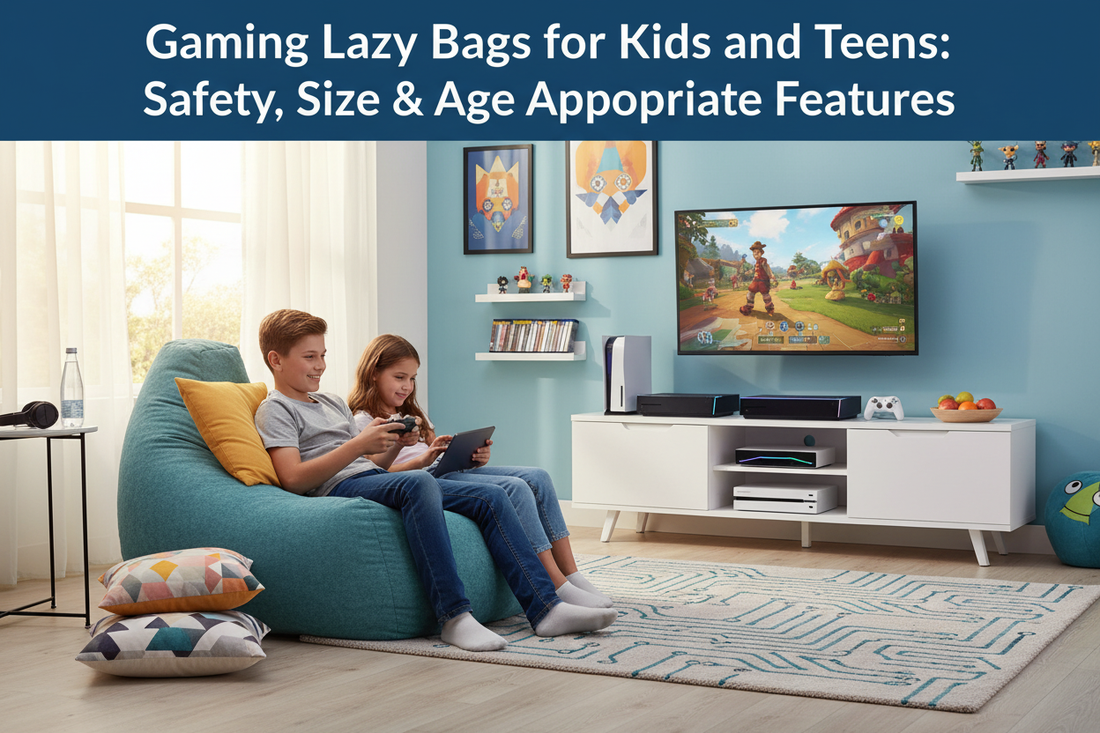
If you've got a young gamer at home, you've probably noticed how much time they spend in front of screens. Whether they're conquering virtual worlds or connecting with friends online, comfort matters—especially when those gaming sessions stretch longer than you'd planned.
Traditional chairs don't always cut it for kids and teens. They might be too stiff, too formal, or just not designed with young bodies in mind. That's where gaming lazy bags come in. They're cozy, adaptable, and can make those gaming marathons a lot more comfortable. But here's the thing: not all lazy bags are created equal, especially when it comes to younger users.
If you're thinking about adding a gaming lazy bag to your child's setup, there are some important things to consider—like safety features, proper sizing, and age-appropriate design. Let's walk through what you need to know to make a choice that works for your family.
Finding the Right Size for Your Child's Age
Size matters more than you might think. A lazy bag that's too big can swallow up a smaller child, making it hard for them to get in and out safely. One that's too small won't provide the support a growing teen needs. Here's a general guide to help you think through sizing:
For Young Kids (Ages 5-8)
Younger children typically do well with smaller, more manageable lazy bags. Look for options that let them sit comfortably with their feet touching the ground when they're seated. This makes it easier for them to get up independently and helps them feel more secure.
You'll also want to consider fill volume. Bags with less fill tend to be lighter and easier for kids to move around, which can be helpful when they want to reposition for different activities—gaming one minute, reading the next.

Eggzu Eggplant Bean Bag Chair – Soft & Supportive
For Tweens (Ages 9-12)
This age group is in a transitional phase. They're growing fast, and their needs can change quickly. Medium-sized lazy bags often work well here, offering enough room to grow into without being overwhelming.
Many tweens use their lazy bags for more than just gaming—homework, video calls with friends, or just hanging out. A versatile size that supports multiple activities can be a smart investment during these years.
For Teens (Ages 13-17)
Teenagers generally need adult-sized options or larger teen-specific models. At this stage, weight capacity becomes more important, as does durability. Teens can be tough on furniture, so you'll want something that can handle regular, active use.
Style preferences also come into play. Many teens have strong opinions about how their space looks, so involving them in the selection process can help ensure they'll actually use what you buy.

Eggzu Adult Universal Bean Bag Chair-Round & Cozy Comfort
Safety Features That Matter
Safety might not be the most exciting topic, but it's one of the most important considerations when choosing a lazy bag for younger users. Here are the key features to look for:
Zipper and Closure Safety
This is a big one. The fill inside lazy bags—whether it's EPS beads or shredded foam—can pose a choking hazard if a child gains access to it. Look for bags with child-safe zipper locks or closures that are difficult for little hands to open.
Double-stitched seams and reinforced closures add an extra layer of protection. These features help ensure the bag stays securely closed, even with active use.
Material Safety Standards
The materials used in your child's lazy bag matter for several reasons. Fire safety is one consideration—many regions have regulations about flame-resistant fabrics for children's furniture. Check what standards apply in your area.
You'll also want to look for certifications like OEKO-TEX or CertiPUR-US, which indicate that materials have been tested for harmful substances. If your child has sensitive skin or allergies, hypoallergenic covers can make a real difference in their comfort.
Some lazy bags may have a noticeable smell when first unpacked—this is called off-gassing. VOC-free options tend to have less of this issue, which can be particularly important in smaller rooms or for children with respiratory sensitivities.
Structural Stability
Gaming can get pretty active, especially during intense moments. Anti-slip bottoms help keep the bag in place when your child shifts their weight or leans forward during gameplay.
The firmness level also plays a role in stability. While lazy bags are meant to be soft and comfortable, they should still provide enough support that your child doesn't sink too deeply. Proper weight distribution helps prevent tipping and supports better posture.

Eggzu Kangaroo Bean Bag Chair – Soft & Supportive
Thinking About Ergonomics for Young Gamers
Kids and teens are still growing, which makes proper support during gaming sessions particularly important. While lazy bags are more casual than traditional ergonomic chairs, there are still ways to encourage healthier positioning.
Look for bags that offer some lumbar and neck support. The shape of the bag affects how your child's spine aligns when they're seated. Some designs naturally encourage a more upright position, while others allow for more lounging.
It's also worth having conversations with your child about taking breaks. Health experts often suggest limiting continuous screen time and encouraging movement throughout the day. A lazy bag shouldn't be so comfortable that it discourages those important breaks!
Position changes are your friend. Encourage your child to shift how they're sitting, stand up between games, or even use their lazy bag in different positions for different activities.
Materials and Durability for Active Use
Let's be real: kids can be messy, and teens can be rough on furniture. The materials you choose can make a big difference in how long your investment lasts.
Cover Fabrics
Spills happen. Snacks get dropped. Drinks get knocked over. Stain-resistant fabrics can save you a lot of stress and cleaning time. Look for covers that are easy to wipe down or, even better, removable and machine-washable.
Durability is equally important. Active gaming involves a lot of movement—leaning, shifting, sometimes even jumping up in excitement. Fabrics that can handle this kind of wear and tear will serve you better in the long run.
Fill Types
The two most common fill types are EPS beads and shredded foam. Each has its pros and cons for kids' use.
EPS beads are lightweight and moldable, conforming nicely to your child's body. However, they can be noisy when your child moves around, which might be distracting during gaming or other focused activities.
Shredded foam tends to be quieter and may hold its shape a bit better over time. It's also generally easier to refill if the bag starts to compress with use.
Speaking of compression, all lazy bags will flatten somewhat over time. Being able to add more fill can extend the life of the bag significantly, so it's worth checking whether refills are available.

Eggzu Penguin Bean Bag Chair – Soft & Supportive
Additional Features to Consider
Beyond the basics, there are some nice-to-have features that can make your child's gaming experience more convenient:
Built-in pockets can be surprisingly useful for storing controllers, headphones, or keeping a drink within reach. This helps reduce clutter and keeps gaming accessories organized.
Weight and portability matter if you like to keep spaces tidy. Lighter bags are easier for kids to move when you need to vacuum or rearrange the room. Heavier bags stay put better but can be a hassle to relocate.
Color and design options might seem superficial, but they can affect whether your child actually wants to use the bag. Involving them in choosing a style they like can increase the chances they'll take care of it.
Budget and longevity go hand in hand. Sometimes spending a bit more upfront for better quality materials and construction can save money in the long run if the bag lasts through multiple years of use.
Don't forget to check the warranty and return policy. These can give you peace of mind and protection if the bag doesn't work out as expected.
Safety Tips for Parents
Once you've chosen a gaming lazy bag, here are some practical tips to keep things safe:
For younger children, especially those under 8, it's a good idea to supervise initial use until you're confident they can get in and out safely on their own.
Think about placement in the gaming area. Keep the bag away from sharp corners, heating vents, or anything that could pose a hazard. Make sure there's enough space around it for your child to move freely.
Regular inspections are smart. Every few weeks, take a quick look for any wear, tears, or zipper damage. Catching small issues early can prevent bigger problems down the line.
Teaching your child proper use and care helps the bag last longer and stay safer. Show them how to sit down gently rather than jumping onto it, and explain why they shouldn't try to open the zipper.
Finally, know when it's time to replace or upgrade. If the bag is significantly compressed, has tears that can't be repaired, or your child has outgrown it, it's probably time for a new one.
How Gaming Lazy Bags Compare to Other Options
You might be wondering how gaming lazy bags stack up against other seating choices for kids and teens. Here's a quick comparison:
Gaming lazy bags vs. gaming chairs: Traditional gaming chairs often offer more structured ergonomic support and adjustability. Lazy bags tend to be more affordable, versatile for multiple uses, and easier to move around. The best choice depends on your child's age, gaming habits, and your budget.
Gaming lazy bags vs. floor cushions: Floor cushions are typically flatter and offer less overall support. Lazy bags provide more enveloping comfort and can be easier to get in and out of for extended gaming sessions.
Gaming lazy bags vs. traditional bean bags: Gaming-specific lazy bags often include features like better back support, more durable fabrics, and designs that work well with controllers and headsets. Traditional bean bags can work too, but they might not be optimized for the gaming experience.
Each option has trade-offs in cost, safety, and ergonomics. What works best will depend on your specific situation and priorities.
Quick Buying Checklist
Before you make your final decision, here's a handy checklist to run through:
Safety features:
- Child-safe zipper locks or secure closures
- Double-stitched, reinforced seams
- Fire-resistant or flame-retardant fabric (if required in your region)
- Material certifications (OEKO-TEX, CertiPUR-US, or similar)
- Anti-slip bottom
Size selection:
- Appropriate dimensions for your child's age and height
- Weight capacity that exceeds your child's current weight
- Room to grow (especially for tweens)
Materials and maintenance:
- Stain-resistant, easy-clean fabric
- Removable, washable cover
- Durable construction for active use
- Quiet fill material (if noise is a concern)
- Refill availability
Questions to ask before purchasing:
- What's the warranty coverage?
- Can I return it if it doesn't work out?
- Are replacement covers available?
- How do I clean it?
- Is the fill refillable, and where can I get more?
Making the Right Choice for Your Family
Choosing a gaming lazy bag for your child or teen doesn't have to be overwhelming. By focusing on safety features, age-appropriate sizing, and quality materials, you can find an option that supports comfortable, enjoyable gaming while giving you peace of mind.
Remember, the "perfect" choice is the one that fits your child's needs, your space, and your budget. Some families prioritize washability above all else. Others focus on durability or specific safety certifications. There's no single right answer—just the right answer for your situation.
Take your time, involve your child in the decision when appropriate, and don't hesitate to ask questions before you buy. A well-chosen gaming lazy bag can become a favorite spot for gaming, reading, homework, and just relaxing for years to come.
Ready to explore options that meet these safety and quality standards? Check out our collection of certified, kid-safe gaming lazy bags designed with both comfort and peace of mind in mind.


